
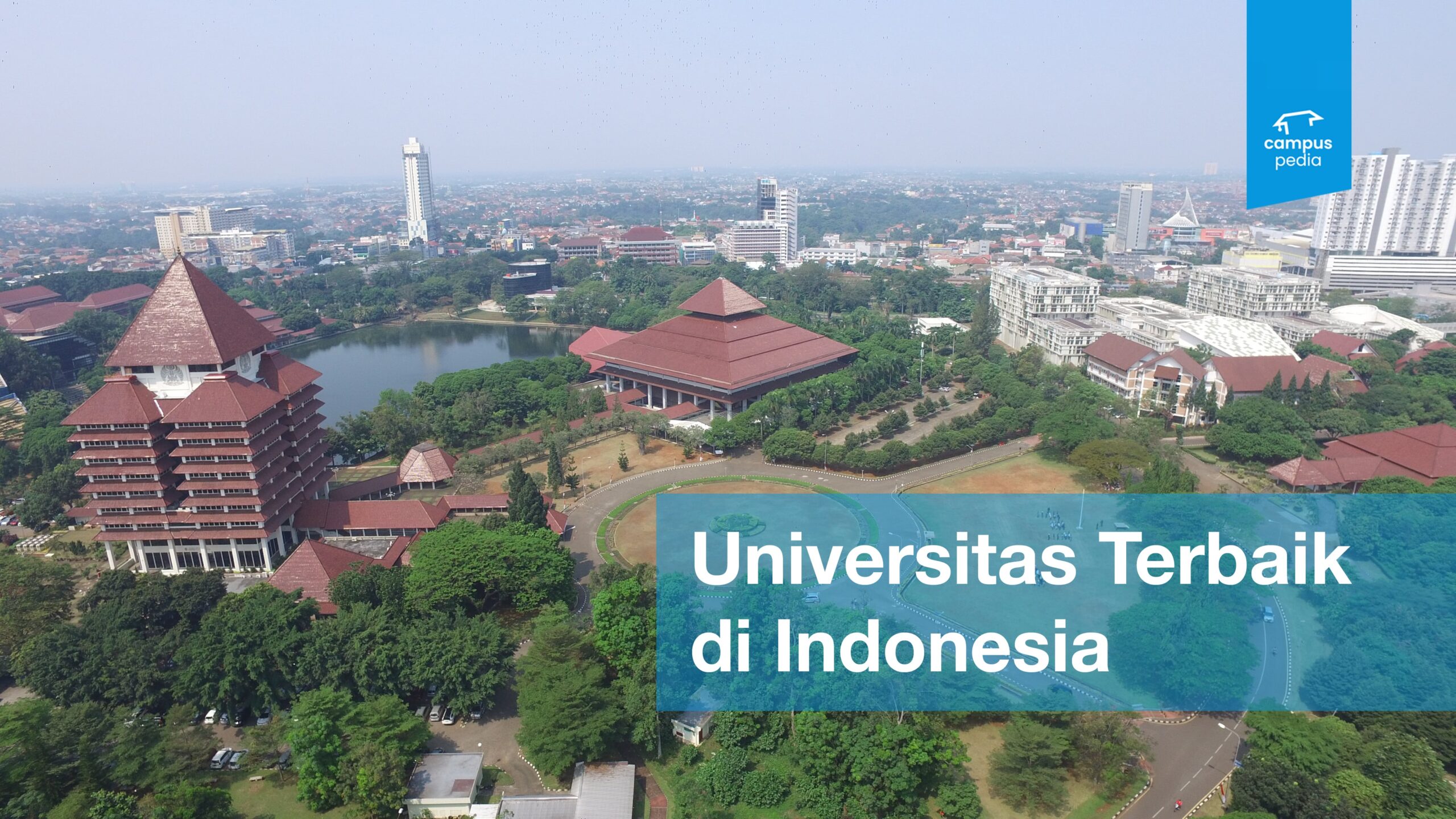
Universitas Aceh Fakultas Kedokteran (UAFK) has emerged as a pillar of medical education in Indonesia, committed to nurturing a new generation of competent and compassionate physicians. Established with a vision to elevate healthcare standards in the region, UAFK integrates modern medical training, ethical practices, and community health initiatives into its curriculum, truly encapsulating the spirit of healthcare excellence.
Academic Framework and Curriculum
The academic framework at UAFK is meticulously designed to ensure that students receive a robust education that bridges theory and practice. The curriculum covers not just the foundational sciences, but also includes critical subjects such as public health, medical ethics, and integrative medicine. This holistic approach prepares students for the complexities of modern healthcare, enhancing their problem-solving abilities and critical thinking skills.
UAFK implements a competency-based curriculum that aligns with global medical education standards. Students engage in simulation-based learning and practical clinical experiences from early in their studies, allowing them to apply classroom knowledge in real-world settings. This experiential learning fosters the development of clinical skills, improves patient interaction techniques, and equips future doctors to work effectively in various healthcare environments.
Research and Development Initiatives
Research is a cornerstone of UAFK, as the institution is dedicated to addressing critical health issues prevalent in Indonesia and beyond. Faculty members, alongside students, engage in groundbreaking medical research, focusing on tropical diseases, public health challenges, and healthcare innovations. These research initiatives not only contribute to global health knowledge but also empower students to participate in meaningful inquiries that may lead to significant advancements in patient care.
UAFK also collaborates with various medical institutions, both locally and internationally, to enhance its research capabilities. This collaboration fosters an environment of academic exchange, whereby students can learn from esteemed researchers and physicians, thereby refining their skills and broadening their perspectives on global health issues.
Community Engagement and Social Responsibility
UAFK places a strong emphasis on social responsibility, recognizing the vital role that healthcare professionals play in community wellbeing. The faculty encourages students to participate in community outreach programs that focus on health education, disease prevention, and primary care services. Through these initiatives, students gain practical experience while also making a tangible difference in the communities they serve.
Programs designed for underserved populations help to reduce health disparities and improve access to care. Engagement in local health campaigns, vaccination drives, and health fairs enables UAFK students to apply their skills while fostering a sense of compassion and service. This involvement not only enriches their education but also instills a lifelong commitment to public health and community service.
State-of-the-Art Facilities and Technology Integration
UAFK is equipped with modern facilities that support advanced medical education and training. The anatomy and clinical skills laboratories are outfitted with the latest technology, providing students with an immersive learning environment. The use of simulation tools allows for the safe practice of procedures, enhancing the learning experience without putting patients at risk.
Moreover, UAFK incorporates telemedicine and digital health technologies in its teaching methodology. Students are trained in the use of these tools, preparing them to navigate the evolving landscape of healthcare delivery. This integration helps to cultivate tech-savvy physicians who can leverage modern innovations to improve patient outcomes.
Faculty Expertise and Development
The faculty at UAFK comprises experienced professionals dedicated to student success. With a diverse background in various medical specializations, the instructors are committed to providing high-quality education. Continuous professional development ensures that faculty members stay abreast of the latest advancements in medical education and clinical practice. This commitment translates into superior guidance for students, promoting an engaging and intellectually stimulating learning atmosphere.
Regular workshops, seminars, and interdisciplinary discussions are conducted to further enrich the educational experience. This collaborative approach among faculty fosters a culture of inquiry and innovation, encouraging students to think critically and engage with contemporary medical challenges.
Global Perspective and Collaborations
UAFK offers its students a global perspective on medical education, encouraging participation in exchange programs and international conferences. These experiences allow students to build networks, learn diverse medical practices, and deepen their understanding of global health challenges. Collaborations with leading universities and health institutions around the world enhance the academic offerings and provide students with a broader context for their education.
Students are encouraged to contribute to global health dialogues and initiatives, which are crucial in fostering awareness and advocacy for pressing health issues on the international stage. This exposure prepares them not just as local practitioners, but as global citizens equipped to address health disparities worldwide.
Conclusion
Universitas Aceh Fakultas Kedokteran stands out as an institution committed to developing high-quality practitioners. Through its comprehensive curriculum, research initiatives, community engagement, modern facilities, and a focus on global health, UAFK is dedicated to shaping the next generation of doctors who are not only skilled but also compassionate advocates for their patients and communities.